24 hr
Palma de Mallorca Self-Guided Gourmet Tapas & Wine Tour
Wander Palma's Old Town at your own pace, sampling gourmet tapas and drinks at five hand-picked eateries.
Reserve
Hand-picked by our editors — only the best 5 experiences from 60 reviewed.
Verified partners for every tour, free cancellation where available, and instant confirmation on every booking.
24 hr
Wander Palma's Old Town at your own pace, sampling gourmet tapas and drinks at five hand-picked eateries.
Reserve
3 hr
Taste your way through Palma's historic backstreets — convent sweets, tapas, wine, and more in 3 hours.
Reserve
3 hr
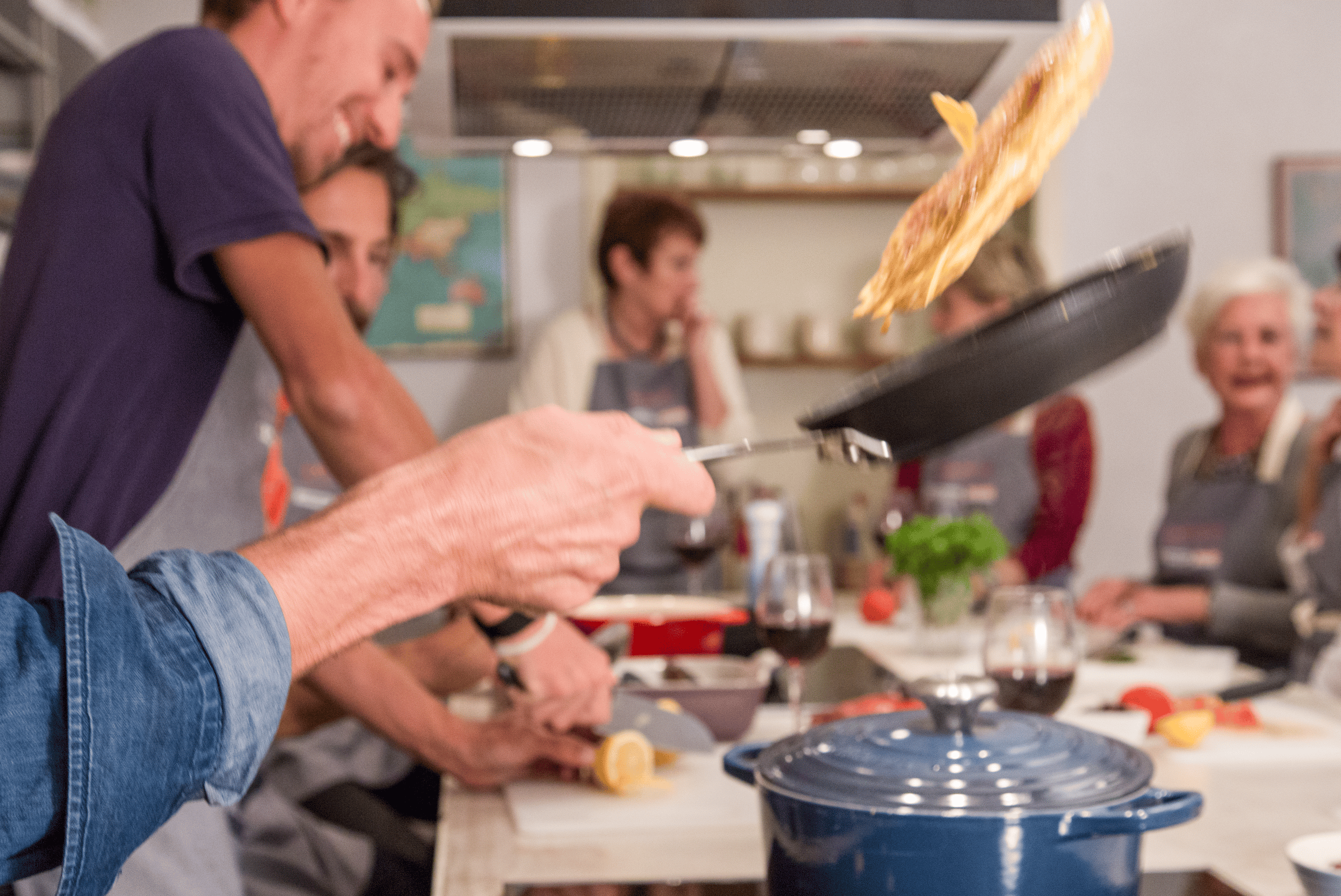
Cook a 5-dish Spanish feast inside a 16th-century flour windmill with warm local hosts in Mallorca.
ReservePrices from verified partners. Availability updates in real time at checkout. Free cancellation policies apply where shown.
The landmarks, rooms, and views travelers on this tour remember — all visible on a single visit.
Explore ancient stone cellars used for aging traditional Mallorcan wines for centuries. These cool underground spaces provide a unique climate for tasting authentic local varietals.
Sample local cuisine featuring fresh Mediterranean ingredients served in historic settings. These bars are essential to the city's culinary identity and history.
Walk through the narrow, winding streets of the city center filled with history. These alleys house centuries-old shops and hidden courtyards perfect for photography.
Visit the iconic squares that serve as the heart of the community. These plazas feature distinct architectural styles reflecting the city's diverse cultural influences.
Discover the seasonal ingredients that define the local flavor profile at traditional markets. These markets have served the community for decades and offer local culinary insight.
They complement each other; most visitors who do both call the palma food and wine tour the more educational route for mastering local culinary traditions. While the organized experience provides expert context, a DIY mallorcan culinary path offers total spontaneity.
| Feature | Top pick Guided Food Tour | Self-Guided Crawl |
|---|---|---|
Structure |
Curated itinerary with guide | |
Curation of Venues |
Vetted local establishments | |
Social Interaction |
Group setting with travelers | |
Cost Flexibility |
Fixed provider fee | |
Time Commitment |
2.5–4 hours | |
| See tickets → |
Verdict: Choose the guided palma food and wine tour tickets for deep cultural insights, or opt for a self-guided route if you prefer navigating Balearic gastronomy at your own pace.
Choose your ticket, select your date, and reserve in under two minutes. Secure checkout handled by our verified partner.
Instant confirmation by email, with a mobile voucher you can save offline. No printing, no queuing at a collection desk.
Arrive at the entrance, show your voucher on your phone, and walk in. Most tickets include priority or skip-the-line access.
Practical details for your visit straight from our verified partners — hours, access, rules, and how to get there.
07001 Palma
Central meeting area for walking tours
EMT Palma city lines serve the city center near the Old Town
Available throughout the city for direct access to central squares
Casual and comfortable walking attire is recommended for the Palma food and wine tour. Smart-casual wear is suitable if your route includes upscale wine bars.
Keep belongings minimal as space in historic Palma Old Town establishments is often limited. Large suitcases are not permitted on the guided walking route.
Photography is generally permitted throughout the tour, though please respect the privacy of other guests and local business staff. Flash photography is discouraged in darker wine cellars.
Many historic buildings and wine cellars in Palma Old Town feature uneven cobblestones and staircases. Please notify your operator of mobility needs before booking your palma food and wine tour.
Mobile phones are permitted for capturing the experience. Please keep devices silenced while the guide is speaking.
This activity is best suited for adults due to the focus on wine tastings. Families should verify age restrictions with the operator before booking.
The palma food and wine tour focuses on local Mallorcan gastronomy. Dietary restrictions must be communicated to the operator at least 48 hours prior to the start time.
Pets are not permitted on these group tours. Service animals should be cleared with the provider in advance.
Each palma food and wine tour varies by provider. Check your specific itinerary for meeting point details.
Best time to go, insider tips, nearby landmarks, and the cancellation fine print — flip through to skim what matters to you.
How crowds, weather, and events shift across the year.
High temperatures necessitate tours during the 10:00–18:00 window. August remains warm with vibrant evening atmospheres for food discovery.
Mild temperatures make walking through the Old Town comfortable. September and October are ideal for harvest-related food themes.
Pleasant weather with fewer crowds than summer. April to June offers the most comfortable conditions for exploring Palma landmarks.
Cooler temperatures allow for longer stays in cozy wine cellars. January and February offer a quieter experience in Palma.
Small details that turn a good visit into a great one.
Drink plenty of water between wine tastings during the summer months. The Mediterranean heat can be intense even in the shade of the Old Town.
Wear sturdy walking shoes to navigate the historic stone streets of Palma. Cobblestone paths are common throughout the city center.
Aim to start your palma food and wine tour during the optimal 10:00–18:00 arrival window. This avoids the busiest evening dinner rush at local restaurants.
Book your palma food and wine tour in advance to secure availability. Popular slots fill up quickly during the high summer season.
Follow your guide's recommendations for local dining after the tour concludes. They often have insights into hidden culinary gems.
Non-bookable sights within a short walk — free to visit, easy to pair.
Iconic Gothic cathedral overlooking the harbor area
Historic residence showcasing Moorish and Gothic styles
Remains of 10th-century Moorish public baths
Traditional market offering a glimpse into local life
Flexible, no hidden fees.
Full refunds are provided for cancellations made at least 24 hours in advance. As this is a private tour activity, please refer to your specific provider terms regarding the 0 EUR entrance fee policy.
Hand-picked options within walking distance — pick a district for vibe, or a specific hotel for convenience.
Refined historic accommodation in the heart of Palma
Convenient access to major tourist transit lines
Modern amenities overlooking the Mediterranean Sea
Mallorca's signature pastry, the ensaïmada, is named after saïm — the Catalan word for pork lard, the fat that gives its coiled dough an unmistakable weight. That single ingredient explains much about the island's kitchen: frugal, agricultural, shaped by centuries of what the land could spare. Palma's Old Town, the district bounded roughly by the Almudaina and the Passeig del Born, sits on layers of Roman, Moorish and Catalan settlement. The street plan is medieval. The commerce inside it is not. Sobrassada, the soft paprika-cured sausage now carrying a Protected Geographical Indication, was a farmhouse preservation method before it became an export. Binissalem and Pla i Llevant, the island's two Denominación de Origen wine regions, sit a short drive inland; their Manto Negro and Callet grapes had almost disappeared by the 1970s, revived by a generation of growers who declined to plant international varieties. A palma food and wine tour today traces that recovery through cellars, colmados and market stalls rather than through a textbook. What makes the quarter matter now is density. Within a few hundred metres stand the Mercat de l'Olivar, the Gothic bulk of La Seu cathedral, and a run of century-old grocers whose marble counters have never been replaced. Palma food and wine tour tours work because the walking distances are short and the producers are still local — the cheesemonger's Mahón-Menorca wheels, the almond flour milled from groves that survive along the Serra de Tramuntana foothills, the olive oil pressed under the Oli de Mallorca designation. Architecture reinforces the point. The Old Town's patios — enclosed courtyards behind heavy timber doors, more than 150 of them catalogued — were built for shade and for storage, and several now house restaurants and tasting rooms. Historic windmills on the Es Jonquet ridge, once used to grind grain for the city's bakeries, have been repurposed as venues; a hands-on Spanish cooking class currently runs inside one of them. The Palma gourmet walking tour format grew out of this compression of function: a building that milled flour now teaches paella. The address for all of it is Palma Old Town, 07001 Palma, Balearic Islands, Spain. Entrance to the quarter itself costs 0 EUR — it is public street — while the guided experiences are private activities priced by their providers. Options on this page range from a self-guided gourmet tapas and wine route to a guided Old Town food and culture walk, a cathedral tour paired with an ensaïmada tasting, and a local food tour led by a resident. Each threads the same sandstone streets that Mallorcan cooks have used for six hundred years.

"A building that once milled flour for the city's bakeries now teaches visitors to cook."
A step-by-step walkthrough of the visit — what you'll see, how long each stage takes, and the details that matter.
You arrive at the edge of the Old Town in daylight, ideally somewhere in the 10:00–18:00 window, when the sandstone still holds colour and the dinner crowds have not yet filled the plazas. Streets here open from 10:00, closing at 22:00 most days and 23:00 on Friday and Saturday. You meet your guide beneath a patio archway. The first stop is usually a colmado no wider than a hallway, where someone slices sobrassada onto bread and pours a glass of Binissalem red before you have finished reading the labels. You eat standing. You move on. A market stall follows — olives in a dozen brines, salt from the Es Trenc flats, wheels of Mahón cheese cut to order. Your guide names each producer. Then the walking part earns its name. You cross three or four narrow calles, pause under the buttresses of La Seu, and enter a courtyard you would have walked past unaware. If you have chosen the cooking class, you climb into a converted windmill instead and spend the afternoon with a knife in hand. If you have chosen the cathedral route, you finish with a warm ensaïmada, spiralled and dusted, eaten on the spot. A palma food and wine tour ends where it should: at a table, glass in hand, with the harbour light going gold. You leave the quarter knowing which grocer to return to.
The tour operates daily from 10:00–22:00, with extended hours until 23:00 on Fridays and Saturdays. Always check your specific booking for designated departure times.
Accessibility is limited by the historic architecture of Palma Old Town, which often includes stairs and uneven surfaces. Please contact your provider for specific assistance.
The palma food and wine tour includes curated tastings, so external food is generally not necessary or allowed. Focus on enjoying the provided culinary selections.
The best arrival window is 10:00–18:00 to ensure you enjoy optimal daylight and avoid peak evening crowds. This ensures a more relaxed pace for your experience.
The Palma food and wine tour is designed for adults. Please verify age minimums with your specific tour provider before booking your tickets.
Cancellations are accepted with a full refund if requested at least 24 hours in advance. Please refer to your booking agreement for details regarding the 0 EUR entrance fee policy.
Casual, comfortable walking attire is standard. Sturdy shoes are highly recommended for the uneven streets of the Old Town.
Yes, you will need to present your palma food and wine tour tickets at the designated meeting point. Digital vouchers are typically accepted.
Yes, the location in Palma Old Town makes it easy to visit landmarks like the cathedral before or after your tour. Plan your day to include these historic sites within walking distance.